Business Name:
HT AIR CONDITIONING AUSTIN
Address:
1301 W 38th St, Austin, TX 78705
Phone:
(737) 377-0161
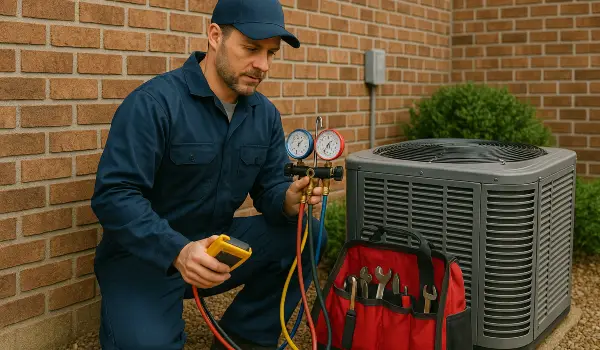
Many homeowners assume warm air or a high electric bill means the system only needs refrigerant, a capacitor, or a quick tune-up. That is a sensible first thought, especially during an Austin heat wave. But repeated short cycling, ice on the refrigerant lines, water around the indoor unit, and sticky indoor humidity can signal a larger equipment problem. HT Air Conditioning Austin can help identify whether repair still makes sense before replacement is considered. Learn more about our ht air conditioning in Austin.
AC replacement is not automatically the answer to every breakdown. A clogged condensate drain, dirty evaporator coil, failed blower motor, or thermostat problem can create similar symptoms. The difference is pattern and condition: an older unit that needs frequent repairs, runs long without lowering humidity, or struggles to maintain temperature may be using more electricity than it should. A full inspection helps separate a repairable fault from a system nearing its practical limit.
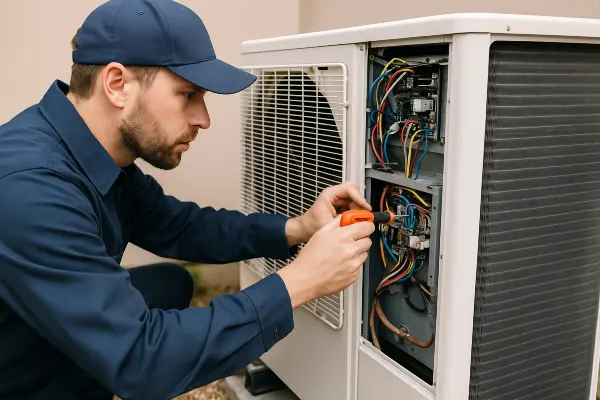

Most straightforward AC replacement projects take roughly one day, often six to 10 hours from removal of the old condenser to startup of the new system. You may be without cooling for much of that window, so expect indoor temperatures to rise if the weather is hot. The crew will remove the outdoor condenser and indoor air handler or furnace connection, set equipment, connect refrigerant lines, and test airflow through the supply vents. Learn more about our expert Thermostat Installation services.
Some jobs take longer, commonly one to two days, if the electrical disconnect needs work, the pad under the condenser is damaged, duct transitions must be rebuilt, or a permit inspection affects scheduling. Periods that appear quiet are often important: technicians may be pressure-testing copper lines, pulling a vacuum to remove moisture, charging refrigerant by measurement, or completing Thermostat Installation. Those steps protect compressor performance and help the system cool evenly.
Ask how the contractor will determine equipment size instead of accepting a recommendation based only on the old unit’s tonnage. A useful evaluation considers square footage, insulation, window exposure, return-air capacity, and duct condition, because an oversized condenser can short cycle while an undersized one may run constantly. Ask who will handle permits, electrical connections, refrigerant removal, and startup testing. Clear answers before work begins reduce surprises after the system is installed. Learn more about our expert Duct Cleaning services.
Request a written estimate that identifies the equipment model, efficiency rating, labor scope, thermostat, pad, drain connections, electrical work, and any duct modifications. It should also explain what happens if corroded line sets or damaged plenums are found. Ask whether Duct Cleaning is actually needed and why; dust alone does not always justify it, but heavy buildup, construction debris, or restricted return airflow may affect comfort. A good contractor explains options without treating every add-on as mandatory.
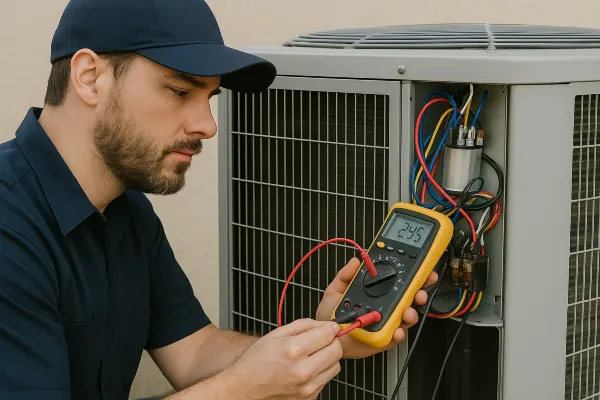
Gather the old system’s model number, recent repair invoices, warranty paperwork, and notes about rooms that stay warmer than others. Write down symptoms such as water near the air handler, ice on the suction line, unusual compressor noise, or a thermostat that changes settings on its own. If you have recent utility bills, keep them available. They can show whether cooling costs rose gradually or jumped after a specific problem appeared.
Clear a path to the indoor air handler, electrical panel, attic access, and outdoor condenser; move patio furniture, planters, and vehicles away from the work area. Arrange for pets to stay away from open doors and tools, and make sure an adult can answer questions about airflow or thermostat preferences. Do not keep resetting breakers, chipping ice from refrigerant lines, or adding store-bought sealants. Those actions can damage components or make diagnosis harder.
HT AIR CONDITIONING AUSTIN
1301 W 38th St, Austin, TX 78705
(737) 377-0161
Hours of Operation
Open 24 Hours