Business Name:
HT AIR CONDITIONING AUSTIN
Address:
1301 W 38th St, Austin, TX 78705
Phone:
(737) 377-0161
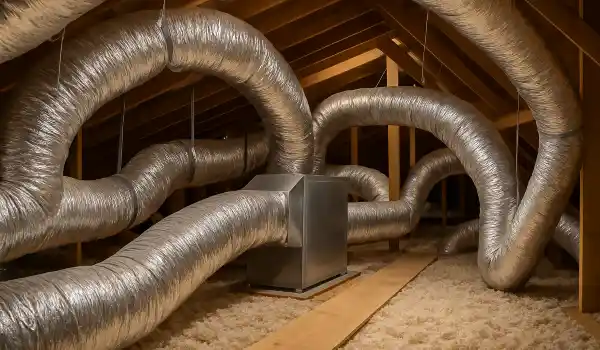
Putting off Air Duct Installation can leave the same rooms unevenly cooled, but leaks, crushed duct runs, or undersized returns can make warm air, humidity, and high electric bills more noticeable over time. HT Air Conditioning Austin can assess whether the duct system is the source before recommending replacement. If restricted airflow is making the compressor work harder, waiting may also contribute to short cycling or ice on the refrigerant lines. Learn more about our ht air conditioning near Austin.
Not every duct concern is urgent. A dusty grille, minor airflow difference, or a single room that runs a few degrees warmer can sometimes wait until a planned HVAC visit. But water around the unit, repeated short cycling, or ice on the lines should not be treated as a duct-only issue. Those symptoms can involve the condensate drain, evaporator coil, filter, or refrigerant system and need a closer check.
Over the next few days, airflow from supply registers should feel more even, and the thermostat should reach its set temperature without long stretches of warm air. Some settling noise from sheet-metal ducts or flexible duct connections is normal as the system starts and stops. A clean filter and properly sized return grille help keep static pressure manageable, so the blower can move air without straining. Learn more about our expert Air Purifier Installation services.
Call back if you see ice on refrigerant lines, water around the indoor unit, persistent humidity, or short cycling after the installation. Those signs may point to a clogged condensate drain, a dirty evaporator coil, or an equipment issue separate from the new ducts. Replacing filters every one to three months, keeping registers open, and scheduling coil and drain maintenance helps the result hold. Air Purifier Installation can also support cleaner indoor airflow when matched to the system.
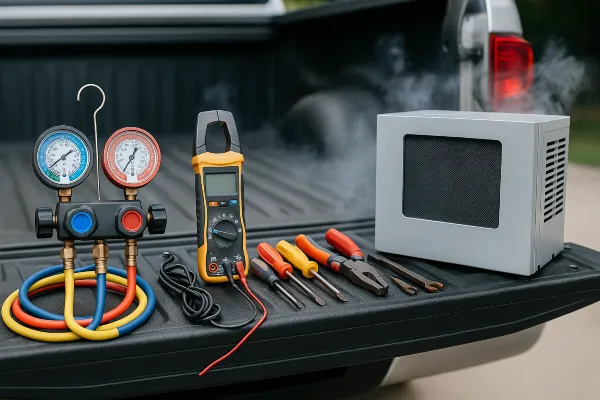
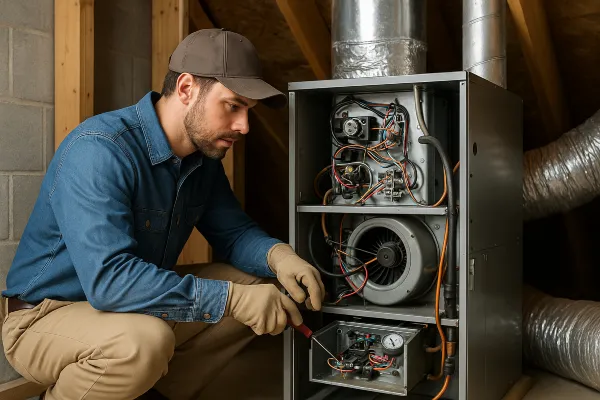
The visit starts with the existing duct layout, supply registers, return paths, thermostat settings, and accessible attic or crawlspace areas. Technicians measure airflow and inspect filters, refrigerant lines, condensate drains, and connections near the evaporator coil. They may also check the condenser, compressor operation, and capacitor because poor airflow can resemble a cooling-equipment problem. Refrigerant charge checks, coil cleaning, drain clearing, and capacitor testing help separate duct issues from mechanical faults. Learn more about our expert Whole House Dehumidifier services.
After the assessment, damaged or poorly sized duct sections can be removed and replaced with sealed metal duct, insulated flex duct, collars, dampers, and properly supported connections. Airflow measurement follows installation to confirm each room is receiving an appropriate share. The system is then run through cooling cycles while the thermostat responds. A Whole House Dehumidifier may be considered if the ductwork is sound but indoor humidity remains high despite normal cooling operation.

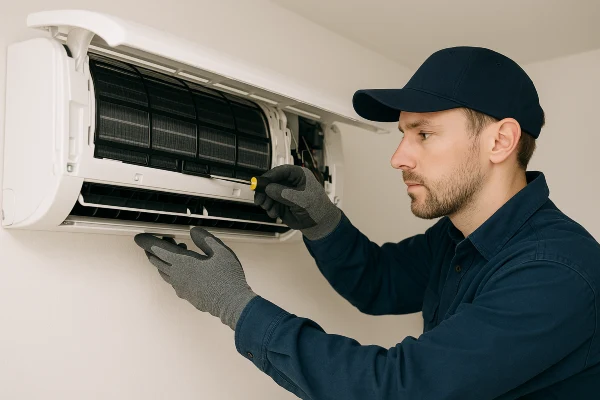
The scope changes with what is already in place. An accessible attic with a few disconnected flex-duct runs is very different from a home with undersized return ducts, sagging insulation, inaccessible chases, or deteriorated ductboard. Previous attempts such as tape patches, added booster fans, or closed-off registers also affect the plan. Sealing a few joints may improve a localized leak, while replacing a restricted trunk line addresses the actual airflow limitation.
A straightforward repair or small extension may take several hours, while rerouting multiple supply and return runs can take one to several days depending on attic access and the number of registers. Opening drywall is not always necessary, but tight wall cavities and concealed ducts can add time. Measurements taken after access is available may reveal crushed duct sections, missing insulation, or a return path that cannot carry enough air for the blower.
HT AIR CONDITIONING AUSTIN
1301 W 38th St, Austin, TX 78705
(737) 377-0161
Hours of Operation
Open 24 Hours