
Business Name:
HT AIR CONDITIONING AUSTIN
Address:
1301 W 38th St, Austin, TX 78705
Phone:
(737) 377-0161
Waiting on a refrigerant leak usually changes the way the system runs: air from the vents becomes warmer, the compressor may short cycle, and electricity use rises. HT Air Conditioning Austin can assess the leak before low pressure turns a minor cooling problem into ice on the refrigerant lines. A small, stable issue that is still cooling can sometimes wait for a scheduled visit; a system freezing or repeatedly shutting down should not. Learn more about our ht air conditioning in Austin, TX.
Low refrigerant does not heal itself, because the sealed refrigerant circuit has an opening somewhere in a line, coil, or fitting. As the charge drops, the evaporator coil cannot absorb heat properly, leaving indoor humidity high and sometimes creating water around the air handler as ice melts. Continuing to run it can strain the compressor, which may turn a repairable leak into a larger equipment repair.
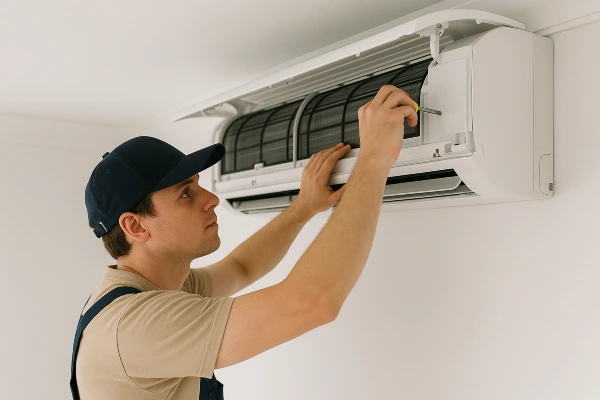
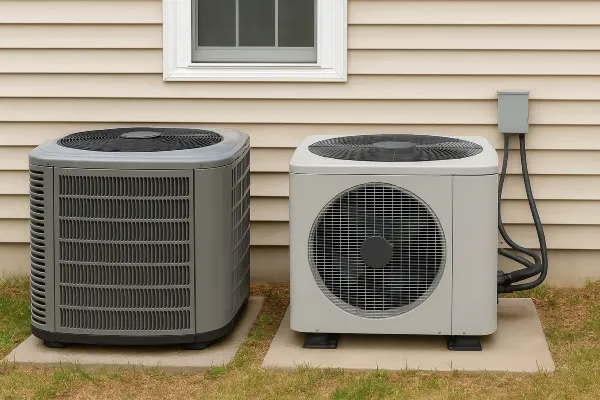
Before the visit, write down when the warm air started, how often the thermostat calls for cooling, and whether you have seen ice, puddles, or unusually high utility bills. Take a few photos of the indoor air handler, outdoor condenser, thermostat display, and any water around the unit. Clear a path of roughly 3 feet around both units so gauges, leak-detection tools, and access panels can be used safely. Learn more about our expert AC Drain Line Cleaning services.
Replace a visibly clogged filter if you have the correct size, but do not tape refrigerant lines, add store-bought refrigerant, or chip ice from the evaporator coil. Those steps can conceal evidence or damage copper tubing. Turn the thermostat off if the lines are frozen, then allow the ice to thaw naturally. Mention recent AC Drain Line Cleaning, filter changes, storm damage, or remodeling work, since each can help narrow down the source.
After Refrigerant Leak Repair, cooling should become steadier over the next few cycles, with air from the supply vents feeling consistently cooler and the thermostat reaching its setting without frequent starts and stops. It is normal to hear the condenser run through a full cooling cycle or see a small amount of water leaving the condensate drain. AC Coil Cleaning may also be recommended if dust on the coil was restricting heat transfer.
Call back if warm air returns, ice forms on the refrigerant lines, the compressor begins short cycling, or water collects around the indoor unit after the system has had time to drain. Persistent humidity or bills that remain unusually high can also point to airflow, thermostat, or charge issues. Keep a clean filter in place, check the condensate drain periodically, and have the evaporator and condenser coils inspected as part of routine seasonal attention.
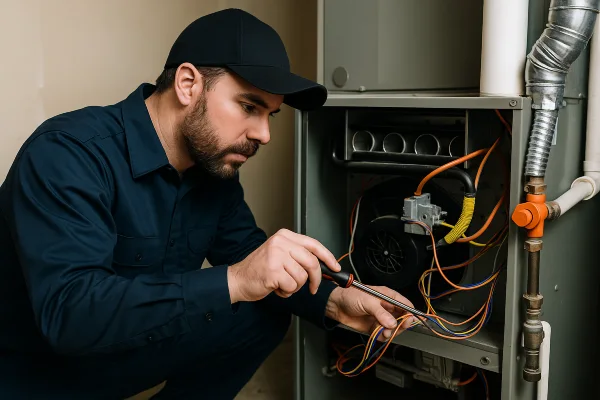
The visit begins with a thermostat check and an inspection of the indoor air handler and outdoor condenser. A technician checks filter condition, measures airflow, and looks for ice, oil residue, damaged insulation, or water near the condensate drain. Refrigerant charge checks and pressure readings show whether the system is operating low. Leak-detection equipment is then used around refrigerant lines, service ports, evaporator coils, and condenser connections to locate the actual loss.
Once the leak source is identified, the damaged fitting, copper line, or coil area is repaired as appropriate, then the refrigerant circuit is tested before the proper charge is restored. The technician may perform coil cleaning, drain clearing, capacitor testing, and airflow measurement because restricted airflow or a weak capacitor can make the compressor work harder. Finally, the system is run through cooling cycles to confirm the condenser, evaporator coil, thermostat, and condensate drain are operating normally.
HT AIR CONDITIONING AUSTIN
1301 W 38th St, Austin, TX 78705
(737) 377-0161
Hours of Operation
Open 24 Hours