Business Name:
HT AIR CONDITIONING AUSTIN
Address:
1301 W 38th St, Austin, TX 78705
Phone:
(737) 377-0161
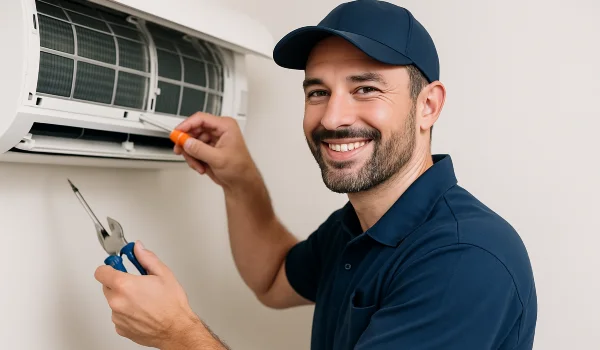
A furnace that will not start, cycles repeatedly, or leaves rooms unevenly heated puts a real decision in front of you: repair the existing unit, replace the furnace in its current location, or rethink the heating and cooling setup. HT Air Conditioning Austin can assess the furnace, thermostat, filter cabinet, and evaporator coil connection so you can see what each path involves. Repair usually means less disruption now; replacement may address repeated breakdowns, airflow limits, or aging equipment. Learn more about our Austin ht air conditioning.
A like-for-like furnace replacement often preserves the existing gas line, electrical circuit, and duct connections, which can reduce installation time. Changing furnace size, moving the equipment, or pairing it with a different indoor coil can require duct modifications and thermostat wiring. A heat pump can offer another route for homes with compatible electrical capacity, while a gas furnace may suit existing venting and fuel connections. The practical differences are upfront work, operating method, noise, and space around the air handler.

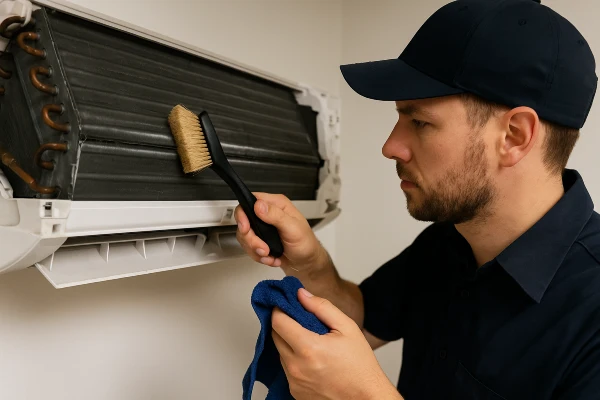
The visit begins with the existing furnace, return grille, supply ducts, filter, thermostat, electrical disconnect, and venting being inspected. Technicians measure airflow and confirm the equipment capacity is appropriate for the duct system rather than simply matching the old model number. They also look at the evaporator coil, condensate drain, refrigerant lines, and outdoor condenser because the furnace often shares controls and airflow with the air-conditioning equipment. This inspection identifies connections that need correction before installation starts. Learn more about our expert Heat Pump Installation services.
After the old equipment is disconnected and removed, the new furnace is set, connected to ductwork, wired to the thermostat, and fitted with the correct filter arrangement. If heat pump installation is part of the project, refrigerant charge checks, coil cleaning, drain clearing, and capacitor testing may also be performed on the connected cooling equipment. The final stage includes airflow measurement, safety-control checks, drain testing, and a heating cycle test so the blower, burners, and thermostat respond in the proper sequence.
An accessible furnace in a garage with sound ducts, a usable electrical circuit, and correctly sized venting is different from a unit in a tight attic or closet. Attic work can require protected walk paths, drain-pan access, and more time moving equipment through a hatch. A furnace that has already received ignition repairs, blower-motor replacements, or thermostat changes may still reveal a deeper airflow problem once static pressure and duct leakage are measured. Learn more about our expert Air Duct Installation services.
Some findings only appear after panels are opened or the old furnace is disconnected: rusted flue sections, an undersized return duct, damaged insulation, or a condensate drain with standing water. air duct installation may be needed if new equipment cannot move enough air through the existing trunks and branches. A straightforward swap may fit into roughly one working day, while duct revisions, electrical changes, or coil replacement can extend the work into multiple days. The added time buys access, safe connections, and correct airflow.

Furnace installation cost moves with heating capacity, equipment type, access, and the condition of the connections around it. A compact 40,000-BTU furnace in a clear garage generally needs less labor and sheet-metal work than a 100,000-BTU unit in an attic. Two-stage or variable-speed equipment can cost roughly 1.3 to 2 times as much as a basic single-stage model before installation differences. New vent pipe, a larger return duct, or a replacement evaporator coil can add substantial material and labor.
A written estimate should separate the furnace model and capacity from labor, permits if required, thermostat work, duct transitions, filter cabinet, venting materials, drain components, and electrical modifications. It should also explain whether removal of the old unit, startup testing, airflow measurement, and refrigerant charge checks are included. Comparing two estimates is easier when each lists what is assumed to be reusable, such as the condenser, refrigerant lines, or existing ductwork, and what happens if hidden corrosion or damaged wiring is found.
HT AIR CONDITIONING AUSTIN
1301 W 38th St, Austin, TX 78705
(737) 377-0161
Hours of Operation
Open 24 Hours