
Business Name:
HT AIR CONDITIONING AUSTIN
Address:
1301 W 38th St, Austin, TX 78705
Phone:
(737) 377-0161
Heat Pump Installation makes sense when an aging system delivers warm air despite a correct thermostat setting, short cycles, or leaves rooms sticky with humidity. It can also be the right reset after repeated compressor or refrigerant failures. HT Air Conditioning Austin can assess the outdoor unit, indoor coil, and load rather than treating every uncomfortable house as a replacement candidate.
Installation is not automatically the answer for ice on the refrigerant lines, water around the outdoor unit, or a sudden jump in bills. A clogged condensate drain, dirty filter, failed capacitor, or low refrigerant can create similar symptoms and may be repaired. If equipment is still properly sized and the compressor is sound, a diagnostic visit and targeted repair may restore comfort without replacing the system.

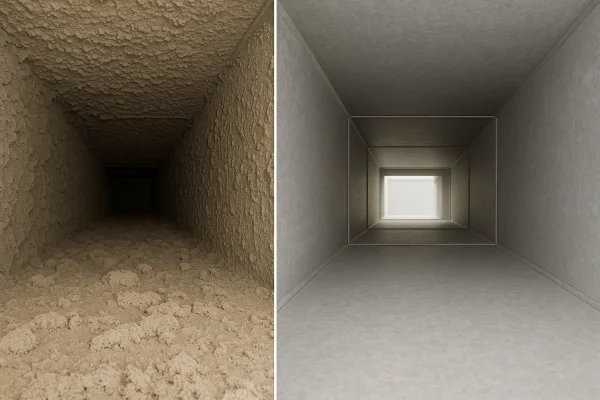
A straightforward heat pump replacement usually keeps technicians at the house for about six to ten hours, while a new system, electrical upgrade, or relocated air handler can take one to two days. Homeowners will hear the vacuum pump, recovery machine, drill, and blower running, and cooling may be off for much of that window. Rain, permit timing, attic access, damaged wiring, or an unexpected pad problem can extend the schedule. Learn more about our expert Air Duct Installation services.
Some of the quietest stages are also essential. Before startup, the crew may calculate airflow, braze copper refrigerant lines, pressure-test joints with nitrogen, and pull a deep vacuum to remove moisture from the circuit; each step protects the compressor. If Air Duct Installation or return-grille changes are needed, technicians may measure static pressure and seal connections before the thermostat is commissioned. A final inspection can add time after the equipment is physically in place.
In Austin, TX, ask each contractor who will size the heat pump and how they determined capacity, rather than accepting a swap based only on the old unit’s tonnage. A useful written estimate identifies the outdoor condenser, indoor air handler or coil, thermostat, electrical work, refrigerant-line changes, condensate drain, permit responsibility, and startup testing. Ask what happens if the load calculation, breaker panel, or attic access reveals a constraint before work begins. Learn more about our expert Air Purifier Installation services.
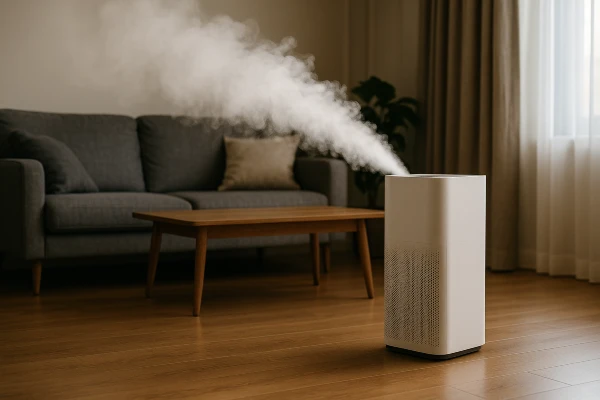
Request an explanation of efficiency ratings, backup heat, filter size, and how the system will manage Austin’s humidity during mild but damp weather. The contractor should describe where the disconnect, pad, drain trap, and float switch will go, plus how floors and landscaping will be protected. If Air Purifier Installation is proposed alongside the heat pump, ask why that device addresses your indoor-air concern and whether duct leakage or filtration should be corrected first.

Before the visit, collect the last several electric bills, note rooms that stay warm or humid, and photograph any water near the air handler or ice on the refrigerant lines. Write down thermostat settings, filter size, recurring error codes, and the age of the current condenser if known. Clear a path of roughly three feet to the indoor unit, electrical panel, attic hatch, and outdoor pad so technicians can move gauges, ladders, and new equipment safely.
Arrange for an adult to provide access and keep pets away from open doors, the work area, and the outdoor unit. Move patio furniture, toys, and stored boxes away from the condenser pad; technicians need room for a hand truck and recovery machine. Do not thaw iced lines with a torch, add refrigerant from a retail can, tape over drain openings, or keep resetting a tripped breaker. Those actions can damage the compressor or hide a safety issue.
HT AIR CONDITIONING AUSTIN
1301 W 38th St, Austin, TX 78705
(737) 377-0161
Hours of Operation
Open 24 Hours